
opaque glass panel
Understanding Spline Gauge An Essential Tool in Precision Engineering In the realm of precision engineering and manufacturing, the importance of accurately measuring and verifying dimensions cannot be overstated. Among the various tools available for this purpose, the spline gauge stands out as a vital instrument specifically designed to measure the profiles of splines—key components in mechanical systems that transfer torque between shafts. A spline is a series of ridges or teeth on a shaft or hole that allows for a secure mechanical connection between components. Commonly found in automotive drive trains, aerospace applications, and industrial machines, splines must meet precise specifications to ensure proper fit and function. This is where the spline gauge comes into play. What is a Spline Gauge? A spline gauge is a specialized measuring tool used to assess the dimensional characteristics of splines, including their thickness, depth, and spacing. Typically made from high-strength materials such as hardened steel, spline gauges are designed to withstand wear and provide accurate measurements. They come in various shapes and configurations to accommodate different types of splines, including involute splines, parallel key splines, and more. The design of the spline gauge allows for both direct measurement of the spline profile and the ability to check the dimensional tolerances specified in engineering drawings . These gauges often incorporate features such as slots or notches that conform to the specific geometry of the spline, enabling quick and reliable checks. Importance of Spline Gauges spline gauge The use of spline gauges is critical in maintaining quality control in manufacturing processes. As splines are crucial for transferring power, any deviation from the specified dimensions can lead to improper engagement, excessive backlash, or even component failure. Thus, a spline gauge serves as an assurance that each part meets required tolerances before it is used in assembly. Moreover, spline gauges are invaluable in the field of maintenance and repair. Technicians can use these gauges to determine whether a worn or damaged spline can be refurbished or needs replacement. This capability can lead to significant cost savings and extended machinery lifespan. Choosing the Right Spline Gauge When selecting a spline gauge, it is essential to consider the specific type of spline being measured and the precision requirements of the application. Different industries may have varying standards, so the gauge must be compatible with the relevant specifications. It is also advisable to choose a gauge with a robust construction that can endure repetitive use in a workshop environment. Conclusion In summary, the spline gauge is a quintessential tool for ensuring precision in the manufacturing and maintenance of spline applications. By accurately measuring the dimensions of splines, it helps maintain the integrity and functionality of mechanical systems. As technology continues to advance, developments in design and materials will likely yield even more effective gauges, further enhancing the ability to produce high-quality components in diverse industries. For engineers and technicians alike, understanding and utilizing spline gauges are essential for achieving excellence in precision engineering.
about
opaque glass panel
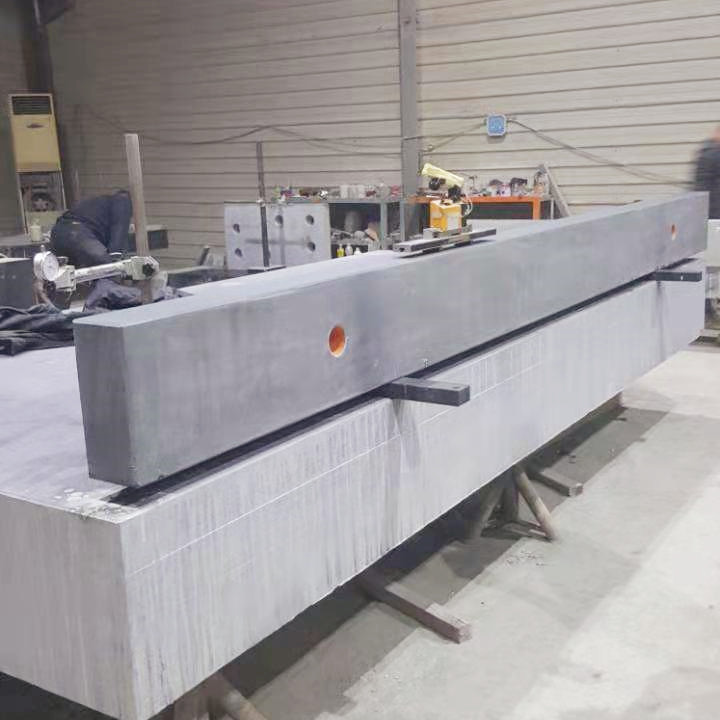
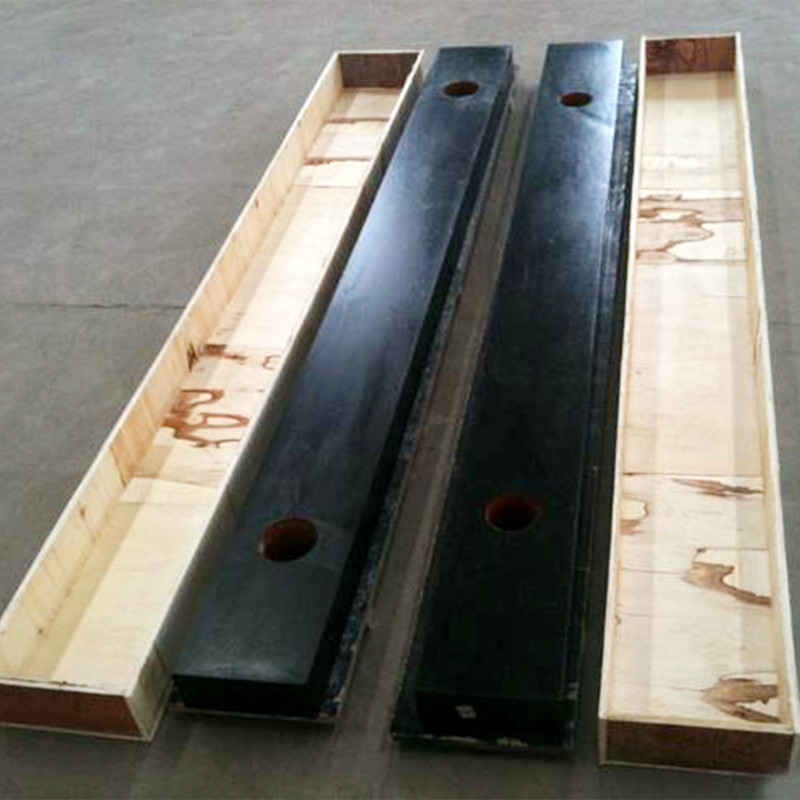
In industrial manufacturing and precision measurement, the reliability of materials directly impacts operational accuracy, and a block of granite has emerged as an indispensable resource. As a wholesaler, offering granite inspection block and granite stone blocks alongside various granite products ensures that clients across sectors can access solutions tailored to their needs. Storaen (Cangzhou) International Trading Co., a leader in industrial materials, has developed high-quality granite stone blocks and specialized granite inspection block models, leveraging granite’s inherent properties to set new standards in durability and precision. With a focus on quality craftsmanship, customization, and sustainable practices, the company enables wholesalers to provide products that enhance industrial efficiency, reduce maintenance costs, and ensure long-term reliability. Block of Granite Core Physical Properties A block of granite possesses unique physical properties that make it ideal for industrial applications, standing out among other materials for its robustness and stability. Physical Property Advantage for Industrial Use Application Example High Hardness (HS70+) Resists scratches and abrasions Work surfaces in machining shops High Compressive Strength Withstands heavy loads without cracking Foundational blocks for machinery Low Water Absorption Resists moisture damage and corrosion Components in humid manufacturing environments Dimensional Stability Minimal size changes with temperature Granite inspection block for precision measurement Granite Inspection Block Precision Applications A granite inspection block is engineered to leverage granite’s stability, becoming a cornerstone of precision measurement and quality control processes. Granite Inspection Block Function Industrial Benefit Sector Application Precision Measurement Reference Ensures consistent, accurate part inspections Aerospace component manufacturing Machinery Alignment Facilitates precise assembly of mechanical parts Automotive production lines Custom Sizing Adapts to unique testing requirements Heavy machinery quality control Granite Stone Blocks Industrial Versatility Granite stone blocks offer versatility across industrial sectors, thanks to their durability and adaptability to diverse operational demands. Industry Granite Stone Blocks Application Key Advantage Manufacturing Work surfaces for precision tasks Vibration resistance, stability Construction Foundational components for equipment Durability under continuous use Chemical/Pharmaceutical Surfaces in corrosive environments Low reactivity, moisture resistance Block of Granite Long-Term Cost Benefits Investing in block of granite and related products yields long-term cost savings, making them a cost-effective choice for industrial operations. Cost Aspect Block of Granite Advantage Long-Term Impact Maintenance Minimal repairs due to durability Lower ongoing operational costs Performance Consistent accuracy reduces waste Higher production efficiency Versatility Multi-purpose use Reduced need for specialized equipment Granite Inspection Block FAQS What makes granite inspection block suitable for precision measurement? Granite inspection block is suitable for precision measurement due to its exceptional dimensional stability and flat surface. Its low linear expansion coefficient ensures minimal size changes with temperature fluctuations, maintaining consistent reference points for measurements. The high hardness (HS70 or above) prevents surface wear, ensuring long-term flatness, while the smooth, ground finish provides a precise base for calibrating tools and inspecting part dimensions. These properties make it indispensable in industries where accuracy is critical, such as aerospace and automotive manufacturing. How do granite stone blocks withstand harsh industrial environments? Granite stone blocks withstand harsh industrial environments through their inherent physical properties. Their high compressive strength allows them to bear heavy loads without cracking, while low water absorption resists moisture damage and corrosion—key in humid or chemical-exposed settings. Additionally, their hardness (HS70+) protects against scratches and abrasions from machinery or tools, ensuring they maintain integrity even in high-traffic areas. These characteristics make them ideal for use in factories, construction sites, and chemical facilities. What customization options are available for block of granite products? Storaen (Cangzhou) International Trading Co. offers extensive customization options for block of granite products, including various sizes to fit specific industrial needs, from small blocks for lab use to large workstations. Clients can also request specific surface finishes, such as ultra-flat grinding for inspection applications, or custom shapes to integrate with existing machinery. These options ensure that the granite blocks align perfectly with unique operational requirements, enhancing their utility and value for industrial users. How does Storaen (Cangzhou) International Trading Co. ensure the quality of granite stone blocks? Storaen (Cangzhou) International Trading Co. ensures the quality of granite stone blocks through rigorous sourcing and manufacturing processes. The company selects premium granite from trusted suppliers, leveraging its strategic location in Botou to access high-quality raw materials. Each block undergoes strict testing for hardness, compressive strength, and dimensional stability, adhering to standards like JJG194-92. Skilled craftsmen perform precise grinding and finishing, and thorough quality checks at every production stage ensure consistency. This commitment to quality guarantees that the granite blocks meet the demanding needs of industrial clients. Can block of granite be used in outdoor industrial settings? Yes, block of granite is well-suited for outdoor industrial settings. Its low water absorption and resistance to moisture damage prevent degradation from rain, snow, or humidity, while its hardness withstands exposure to UV rays, temperature extremes, and physical impact. These properties make it ideal for outdoor applications such as foundational blocks for outdoor machinery, work surfaces in open-air manufacturing areas, or components in infrastructure projects. Storaen (Cangzhou) International Trading Co.’s granite blocks, with their durable construction, maintain performance even in harsh outdoor conditions, ensuring long-term reliability.
-

High quality industrial productsagement

High quality industrial products
View Details -

Meet the diverse needs of customers

Meet the diverse needs of customers
View Details -

Strict quality control

Strict quality control
View Details -

Top raw materials

Top raw materials
View Details -

Trusted supplier

Trusted supplier
View Details
Our application
news and information

Using a Spirit Level for Accurate Measurements in Construction and DIY Projects
Understanding the Spirit Level A Essential Tool in Precision Measurement The spirit level, an instru
Viertelzoll-Klappenventil mit 4 Zoll Durchmesser für industrielle Anwendungen
4 Zoll Messerabsperrventil Eine wichtige Komponente in der Industrie Das 4 Zoll Messerabsperrventil
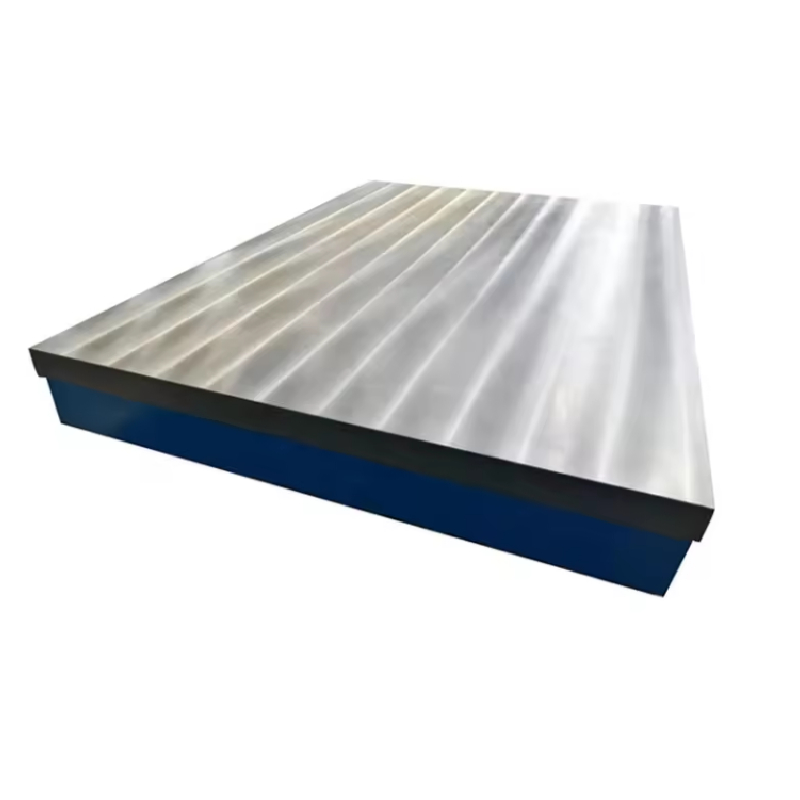
welding table cost
Understanding the Costs of Welding Tables When it comes to metalworking and fabrication, having the
 English